An AI agent, a droid's eyes, and songs I wrote 20 years ago
Newsletter issue #1 · 27 September 2026
Last month, at 35,000 feet, I messaged my AI agent to check whether I'd left something running in my home office. It checked, and it replied. That's the kind of thing I've been tinkering with while my blog sat quiet this year. So here's the fix: a newsletter. Full disclosure, Claude helps me write it, because I'd rather spend four hours building than four hours drafting. The projects and lessons are all mine.
Here's what's been on the bench.
Meet Ralph, my always-on AI agent
I wanted to test the hype around having an always-on agent, the kind of thing people imagine Claude or ChatGPT becoming. So I set up Nous Research's Hermes Agent on a Raspberry Pi at home and named it Ralph. I message Ralph over iMessage, and it can check on and control things through Home Assistant.
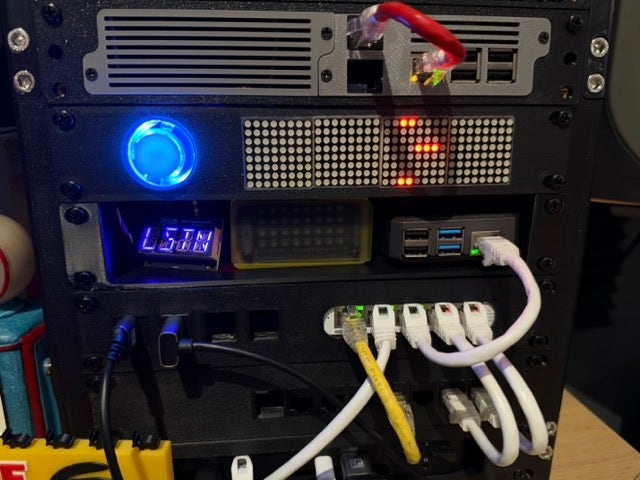
My honest verdict so far is that it's mostly hype and novelty. I still use Claude for 99.9% of what I do, and since iOS 27 I've also been testing how much I can get out of Siri. But I'll admit that sitting on a flight, messaging Ralph to check whether I left something running in the home office, is pretty cool.
Living with an EV
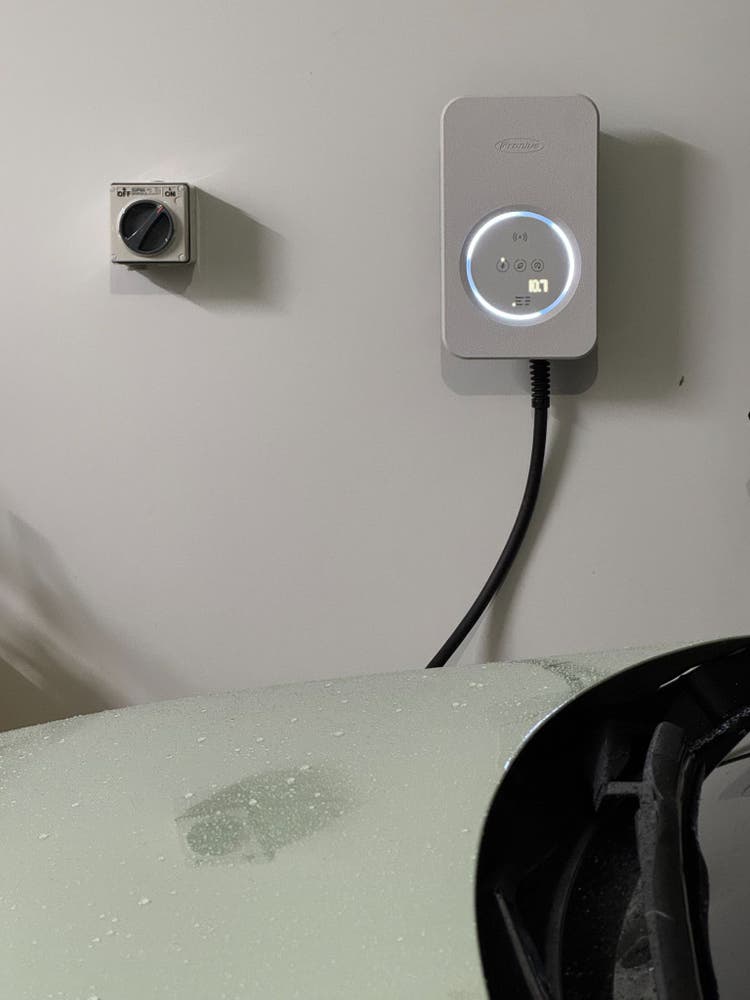
A Kia EV3 joined the family, along with a Fronius Wattpilot charger that tops the car up from surplus solar. The car was the easy part. The real work has been everything around it: tweaking charging schedules, comparing electricity plans and testing new automations. Oh, and having the electrician explain to me the limitations of most housing circuit boards not coping with the oven, AC, and EV chargers running all at once.
My favourite experiment is using the house as a battery. Once the Powerwall is full, Home Assistant switches on the air conditioning to pre-warm or pre-cool the house earlier in the day, so I'm using my own solar instead of buying power in the evening. I'm writing a short series on choosing the EV, upgrading solar and expanding the Powerwall, so watch this space.
Building bigger than the printer
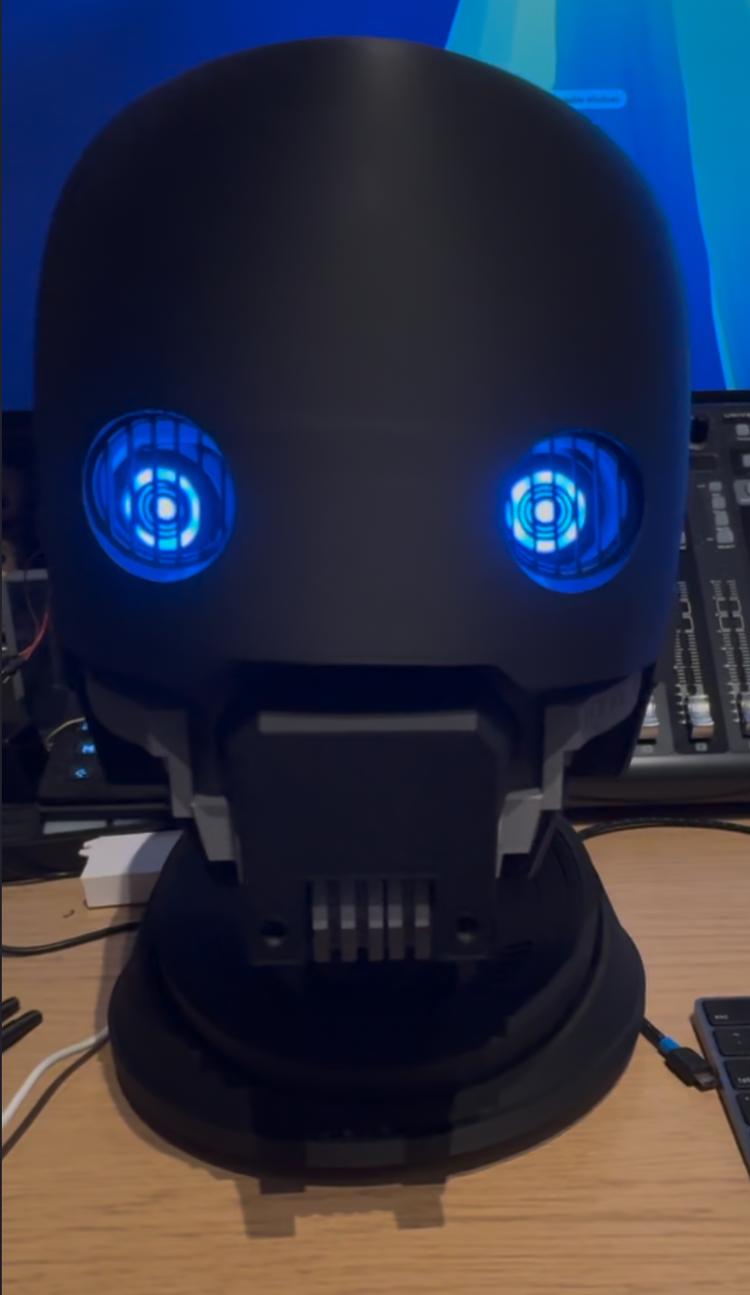
K-2SO started as an experiment in building something larger than my 3D printer can print in one piece. The printed parts come from the excellent files by Droid Division, and the head is now coming together with animatronic eyes: two servos and two glowing NeoPixel rings, driven by a Raspberry Pi Pico.
The surprise was how I built the electronics. I took an existing online build and used Claude to reshape it into a version that did what I wanted, with different boards, different parts and my own tweaks. It felt like a new remix of vibe coding. I wasn't just vibe coding software, I was vibe creating circuits.
One practical lesson from the bench: every fault I hit was a connection, not the design. One was a missing ground, and another was a flaky breadboard contact. Check the wiring before you rewrite the code.
Hearing my old songs properly for the first time
The most rewarding new thing I've done with AI has nothing to do with work or electronics. I've been using Suno to turn my old demo tapes into proper recordings.
I've never claimed to be a great singer. I can hold a tune, but that's about it. So hearing a professional-sounding cover of a song I wrote 20 years ago, with decent vocals and a quality mix, has been amazing.
I'm still sorting out the good from the bad (every idea is precious to me, but that doesn't make them all great), but here is a track that started as a backing track around a one-line vocal sample with the phrase “I know something was missing..”
Demo from 2020: https://soundcloud.com/mark-szulc/something-missing
Suno creation in 2026: https://suno.com/s/y7rw1W4EOSVvLO2M
Quick hits
- Home office signage. This started as an experiment and has become something I wouldn't want to give up. It deserves its own deep dive, so expect that in a future issue.
- Matter. My Matter devices finally work at home. The culprit was Thread border routers sitting on different network segments. It's been great ever since.